Why Bonaire is the Caribbean's Best Island for Shore Diving
Bonaire shore diving isn't just good; it's the gold standard.
There are roughly 7,000 islands in the Caribbean. Most of them are beautiful. But when it comes to diving — truly world-class, no-compromise, walk-straight-into-the-water diving — only one island consistently lands at the top of every serious diver's list: Bonaire. Bonaire shore diving isn't just good; it's the gold standard. And understanding why tells you almost everything you need to know about why this small Dutch island in the Southern Caribbean is so different from everywhere else.
What Makes Shore Diving Different, and Why It Matters
In most Caribbean dive destinations, you need a boat. You need to book a trip, wait for a group, motor out to a mooring, and depend on an operator's schedule. The reef is somewhere offshore, out of reach unless you commit to a full dive excursion. Bonaire throws all of that out the window.
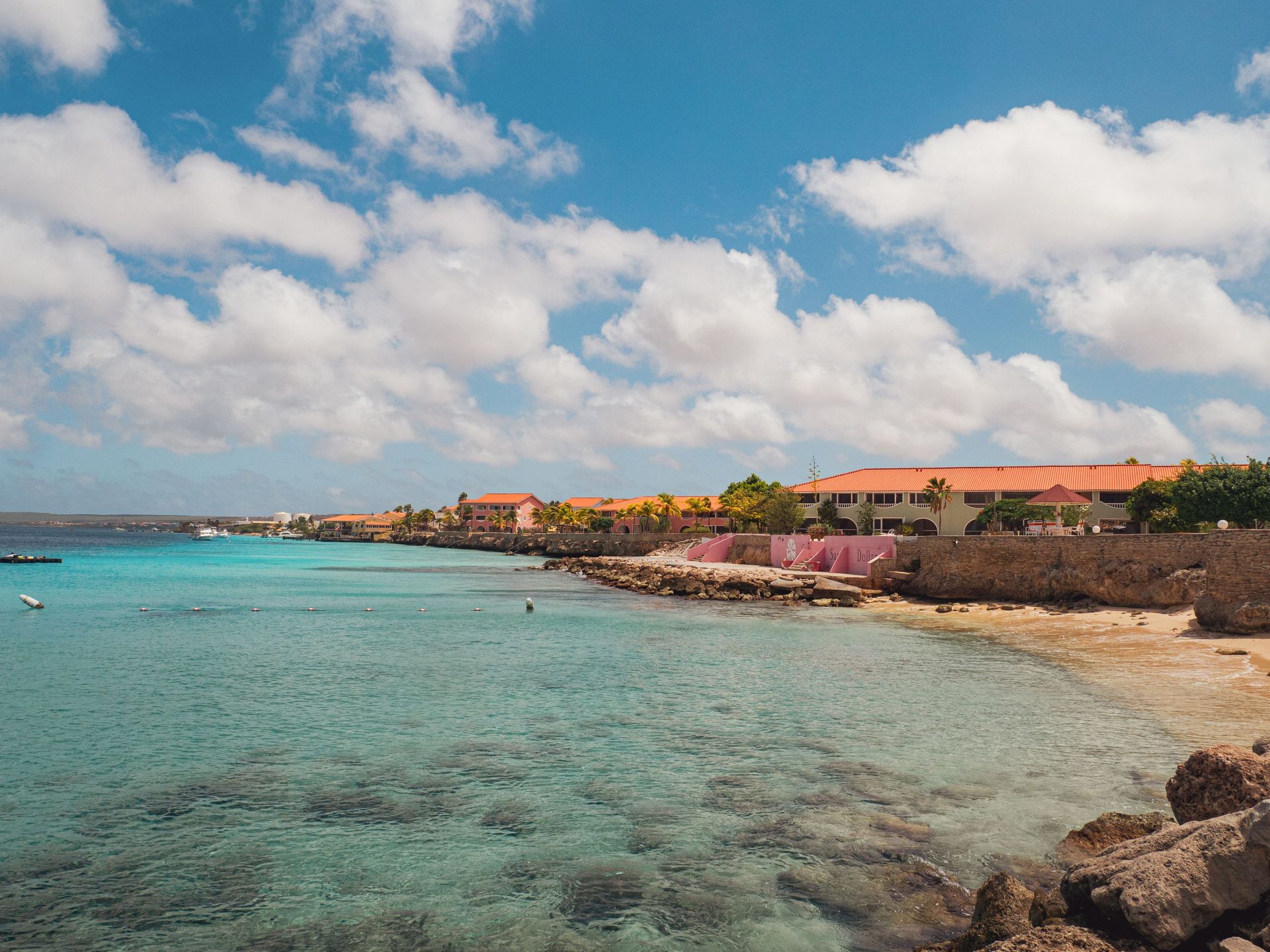
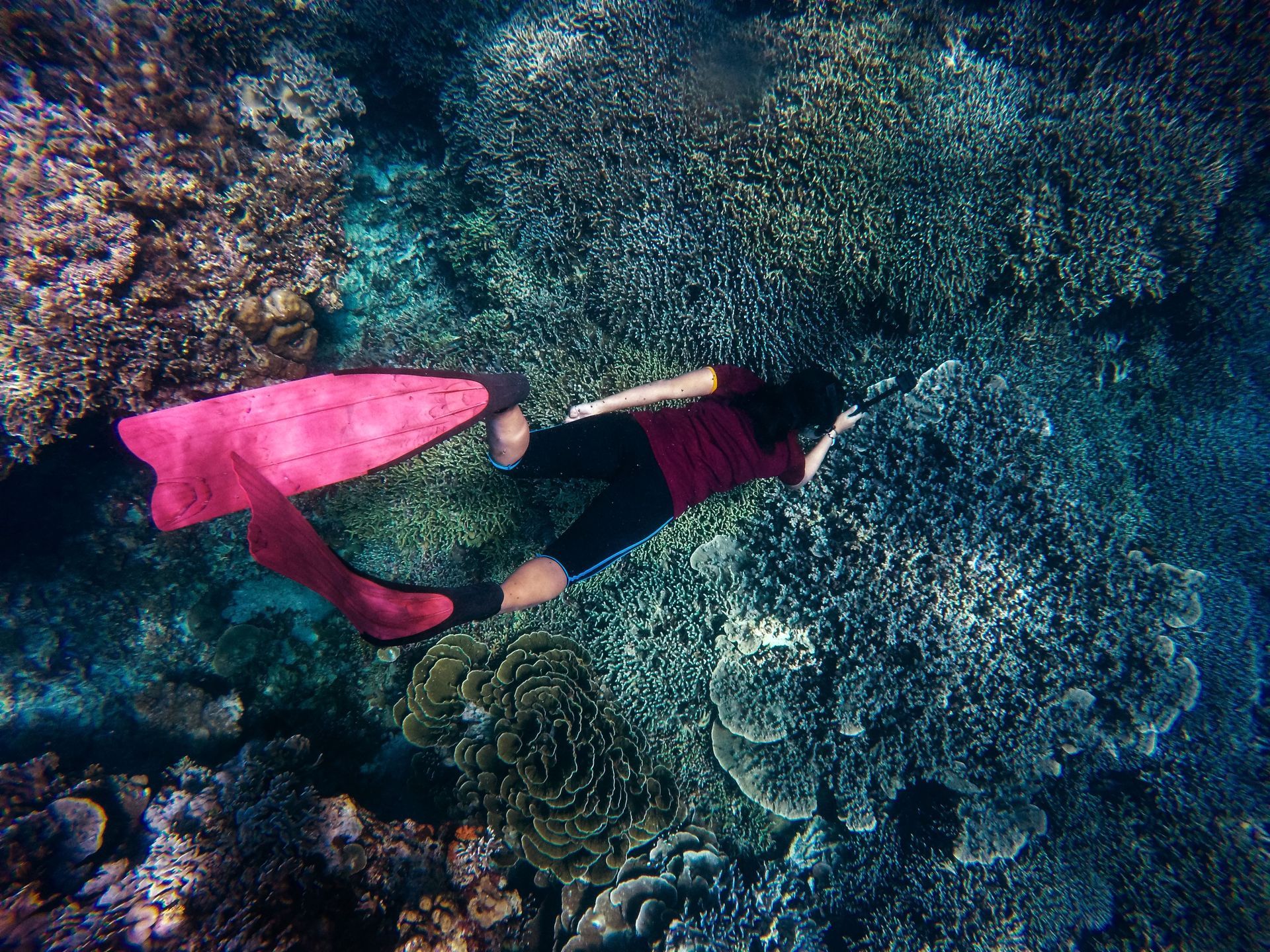
On Bonaire, the reef begins at the shore. You can walk in off the beach, swim out past the sand, and within minutes you are hovering over living coral at depths of 5 to 30 metres. No boat. No group. No fixed schedule. This is the defining feature of Bonaire shore diving, and it changes the entire experience of being a diver on vacation.
Shore diving gives you freedom. You dive at sunrise when the water is glassiest. You slip in after dinner for a night dive on a whim. You revisit a site three days in a row because there was a seahorse you wanted to photograph again. On most Caribbean islands, none of that is possible. On Bonaire, it is all just part of the day.
The Numbers That Set Bonaire Apart
Bonaire has more than 90 officially mapped and buoyed dive sites. Nearly all of them are accessible directly from shore. The island is small — roughly 288 square kilometres — which means that almost any point on the leeward west coast puts you within a short drive of multiple world-class entries.
Site diversity is extraordinary: from shallow coral gardens perfect for beginners to deep wall dives that drop away into the blue.
Some key figures:
- Over 90 named dive sites circling the island
- Visibility regularly exceeds 30 metres
- Water temperature stays between 26 and 29°C year-round
- Currents are mild on the leeward coast — ideal for relaxed diving
- The reef starts as shallow as 1 metre from shore in many locations
Bonaire's Protected Marine Environment: The Foundation of Great Diving
Bonaire declared its surrounding waters a marine park in 1979 — one of the first in the world. Today, the Bonaire National Marine Park (BNMP) protects the entire coastline from the high-water mark down to 60 metres depth. Anchoring on coral is banned. Touching marine life is prohibited. Spearfishing is not permitted. Every diver pays a Nature Fee of approximately $40 USD per year, which funds conservation and ranger patrols.
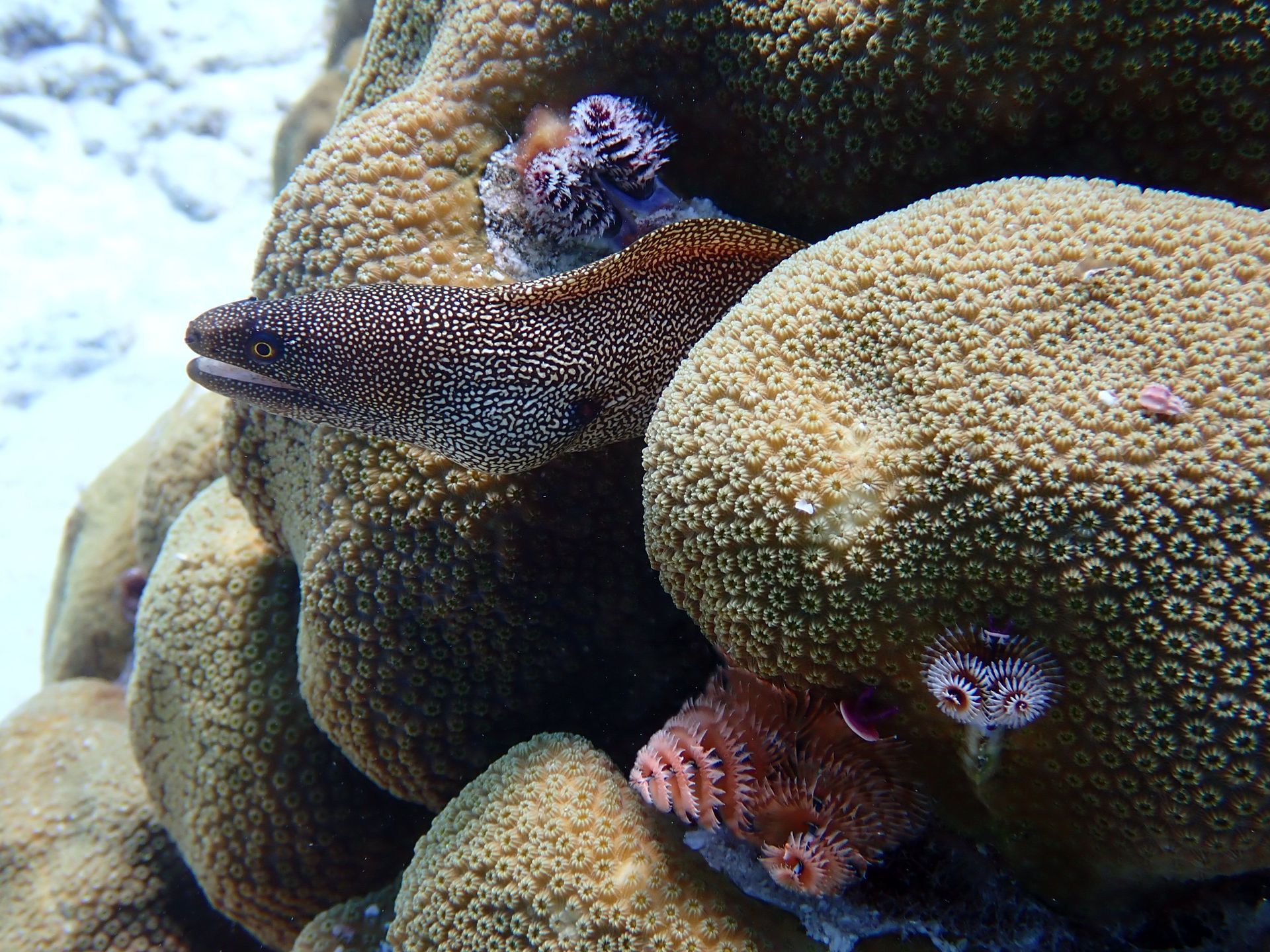
The result of four decades of protection is obvious the moment you enter the water. The coral here is genuinely alive. You will find brain coral formations the size of small cars, forests of staghorn and elkhorn coral, sea fans swaying in the gentle current. The fish life is dense and unafraid — parrotfish, angelfish, trumpetfish, vast schools of creole wrasse, resident sea turtles that have learned humans are not a threat.
Many Caribbean reefs have suffered significant bleaching and degradation over the past 30 years. Bonaire's reefs, while not immune to climate pressures, remain among the healthiest in the region — a direct consequence of early and sustained marine protection.
The Best Shore Dive Sites on Bonaire
With more than 90 sites to choose from, it helps to know which ones to prioritise. Here are some of the most celebrated entries on the island:
1. 1000 Steps
One of Bonaire's most famous sites, named for the long staircase descent to the water (there are 67 steps, not 1,000, but the name has stuck). Below the surface you will find a dramatic coral slope with large coral heads, sea fans, and frequent sightings of turtles, eagle rays, and nurse sharks resting on the sand.
2. Andrea I & II
Two adjacent sites on the north coast. Andrea I features a stunning double reef structure with a shallow inner reef and a deeper outer wall. Andrea II adds a long sandy slope with garden eels. Both are excellent for photography.
3. Karpata
A protected cove on the northwest coast, Karpata is considered by many experienced divers to be Bonaire's most beautiful site. The coral coverage is exceptional, the fish life is dense, and the sloping reef wall provides dive profiles for all levels.
4. Salt Pier
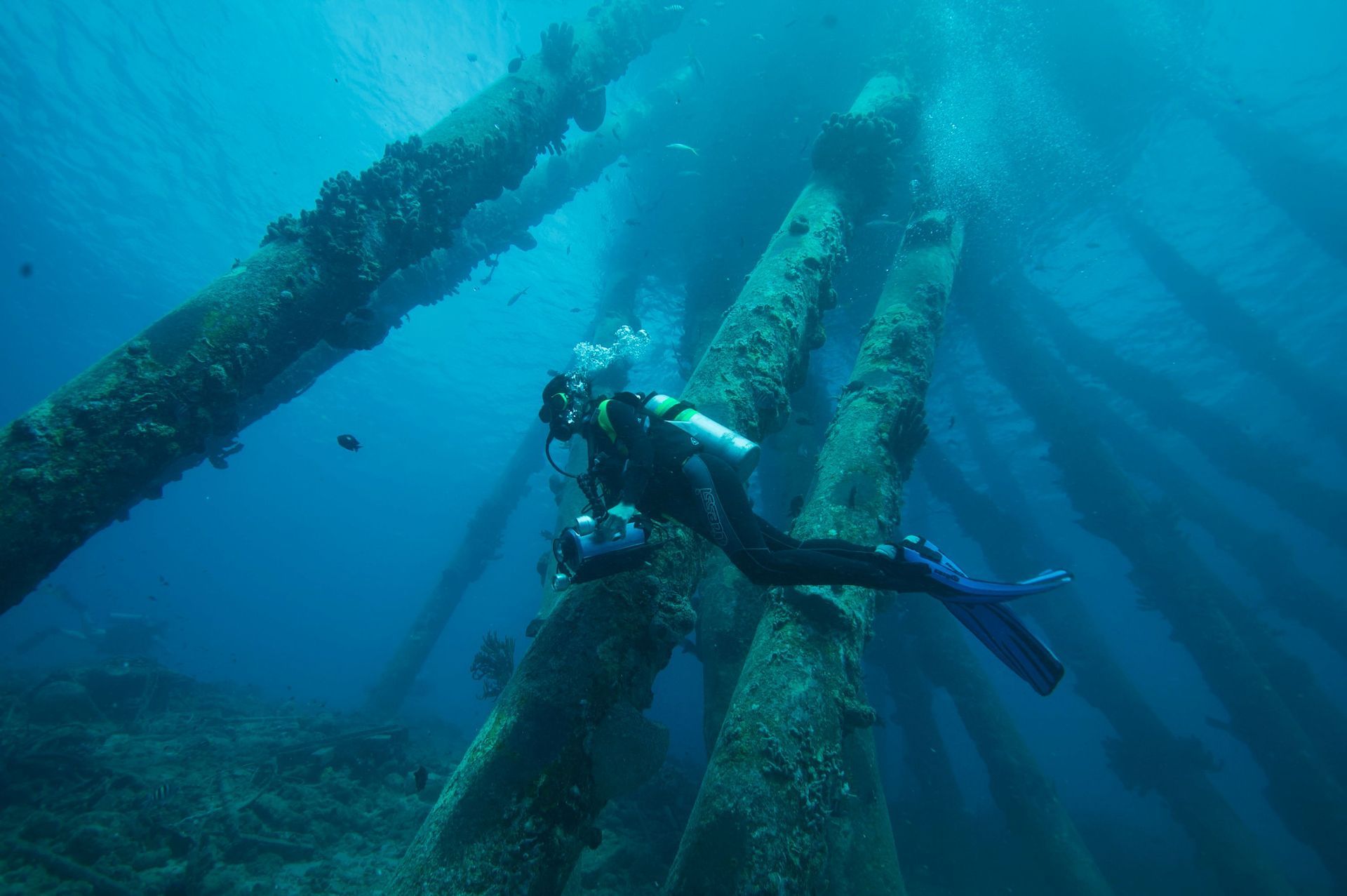
One of the most unusual dives in the entire Caribbean. The legs of the salt loading pier are colonised by enormous coral formations — purple tube sponges, orange cup corals, sea fans — creating an artificial reef of incredible richness. Fish congregate here in astounding numbers. Visibility is typically outstanding.
5. Buddy's Reef
Directly in front of Buddy Dive Resort on the west coast, Buddy's Reef is an ideal entry-level and refresher site. The reef starts shallow and the slope is gentle, making it perfect for divers returning after a break. Night diving here is particularly rewarding.
How Shore Diving Works in Bonaire: Practical Essentials
The logistics of shore diving in Bonaire are refreshingly simple, but there are a few key things every visiting diver should know:
The Nature Fee
Before your first dive you must purchase a Bonaire Nature Fee tag (approximately $40 USD) from a local dive shop. This tag must be worn on your tank during every dive. Rangers do patrol dive sites and check for compliance.
Yellow Stones and Entry Points
Dive sites on Bonaire are marked by yellow-painted stones at the roadside and are listed on the free Bonaire dive site map available from any local dive operator. Most entries are across a narrow band of ironshore (sharp volcanic limestone) — water shoes are strongly recommended.
Renting a Truck
Most divers rent a pickup truck for the duration of their stay. This allows you to load tanks, gear, and a cooler of water and drive the ring road, stopping at any site that appeals. Many dive operators offer gear and tank rental packages specifically designed for truck-based shore diving.
Dive Operators and Air Fills
Bonaire has numerous dive operators offering daily air fills, equipment rental, guided dives, and PADI courses. Many are clustered along the main road in Kralendijk, the island's capital, and in the hotel strip to the north. Operators can advise on current site conditions and help newer divers select appropriate entries.
Shore Diving from Palm Paradise Bonaire
Staying at Palm Paradise Bonaire puts you within minutes of some of the island's most celebrated shore dive sites. The property has dedicated gear storage, an outdoor rinse station, and direct access to the west coast dive corridor. Whether you are planning three dives a day or simply want the flexibility to slip into the water whenever the mood strikes, Palm Paradise makes it easy to live the full Bonaire shore diving experience without compromise.
Frequently Asked Questions
About Bonaire Shore Diving
Can beginners do shore diving in Bonaire?
Absolutely. Bonaire has many shallow, calm sites ideal for beginners and refresher divers. Open Water certification is sufficient for the vast majority of sites. Many dive operators on the island offer guided shore dives and courses for newer divers.
Do I need to dive with a guide in Bonaire?
No — certified divers are permitted to dive independently at all shore sites. This is one of the great freedoms of Bonaire diving. However, dive operators offer guided dives for those who want local knowledge or prefer additional support.
What time of year is best for shore diving in Bonaire?
Bonaire is a year-round diving destination. The water temperature and visibility remain excellent throughout the year. The island sits outside the main hurricane belt, so weather disruptions are rare. December to April tends to bring the calmest seas and lowest humidity.
How many dives can I do per day in Bonaire?
There is no official limit for shore diving in Bonaire, though standard dive safety guidelines apply. Many dedicated divers do three to five dives per day. The ability to dive at any time — including night dives — is one of the island's signature advantages.
Is Bonaire better for diving than other Caribbean islands?
For shore diving specifically, Bonaire is widely regarded as the best destination in the Caribbean and one of the best in the world. The combination of site accessibility, marine park protection, water clarity, and year-round conditions is unmatched in the region.
Conclusion
Shore diving in Bonaire is not simply an activity — it is the entire reason many divers return year after year. The combination of immediate reef access, marine park protection, extraordinary biodiversity, and simple logistics creates an experience that no other Caribbean island can fully replicate. Whether you are an experienced diver seeking new sites or a traveller looking to take your first steps underwater, Bonaire delivers at every level.
Palm Paradise Bonaire is perfectly positioned to help you make the most of every dive. Explore the island's 90+ sites at your own pace, supported by local knowledge and a base that understands what divers need.
Ready to dive Bonaire? Check availability at Palm Paradise Bonaire