

The Ultimate Guide to Klein Bonaire
How to Spend the Perfect Day
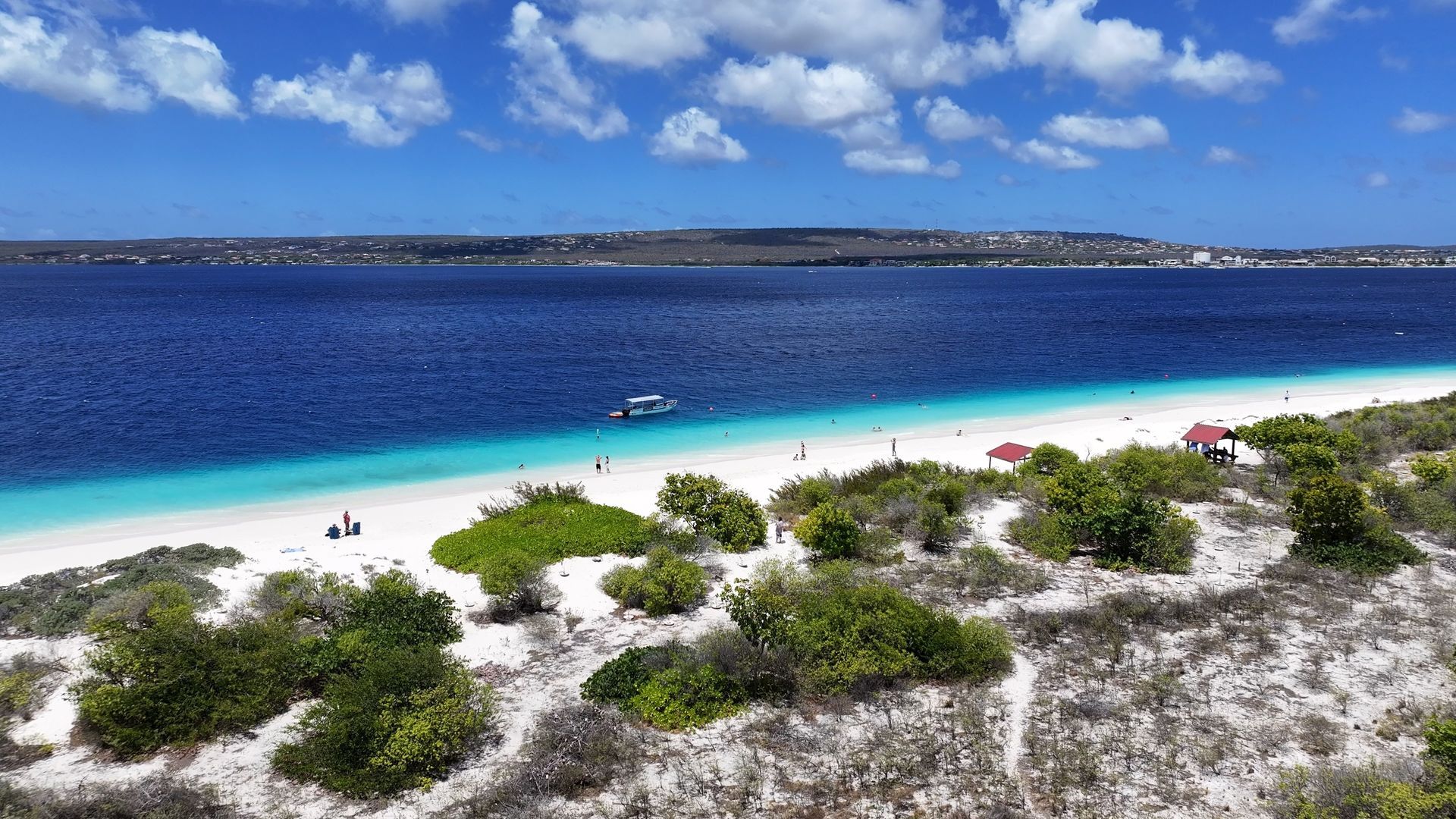
One kilometre offshore from Kralendijk, visible from the waterfront of Bonaire's small capital, lies a flat, uninhabited island that has become one of the most celebrated dive and snorkel destinations in the entire Caribbean. Klein Bonaire , 'Small Bonaire' in Dutch covers just 1.5 square kilometres and has no permanent residents, no development, and no facilities beyond what the sea provides. What it does have is a near-complete ring of pristine coral reef, extraordinary marine biodiversity, and some of the clearest water in the hemisphere. If you are visiting Bonaire and skip Klein Bonaire, you have made a significant mistake.
This guide covers everything you need to know to plan the perfect day on Klein Bonaire: how to get there, the best dive sites, snorkelling spots, what to bring, and how to make the most of an island that rewards those who come prepared.
What Is Klein Bonaire?
Klein Bonaire is a flat, islet of coral limestone sitting just west of Bonaire's main island. It was uninhabited for most of its history but was purchased by a private developer in the 1990s with plans for resort construction. A successful campaign by the Bonaire National Marine Park, local residents, and international conservation organisations resulted in the island being acquired by the Dutch government in 1999 and protected as part of the Bonaire National Marine Park.
Today the island is a protected nature reserve. No construction is permitted, no permanent camping is allowed, and the surrounding reef is protected under the same marine park regulations as the rest of Bonaire's coast. The result is a reef environment that has been sheltered from development pressure for over 25 years — and it shows..
Getting to Klein Bonaire: Water Taxis and Dive Boats
There are two ways to reach Klein Bonaire: by water taxi from Kralendijk Town Pier, or aboard a dive operator's boat.
Water Taxi
Water taxis run from the Town Pier in Kralendijk throughout the morning and afternoon. The crossing takes approximately 10 minutes. Tickets are sold at the pier — prices are typically around $25 USD return. The taxis operate on a schedule, with departures roughly every hour from around 8am to 4pm. Note that the water taxi is designed primarily for snorkellers and beach visitors; if you plan to dive with tanks, coordinate with a dive operator.
Dive Operator Boats
Most Bonaire dive operators offer guided dive trips to Klein Bonaire as part of their daily schedule. This is the recommended approach for divers who want tank support, guided navigation, and boat-based surface intervals. Many operators combine a Klein Bonaire dive with other offshore or wreck sites. Palm Paradise Bonaire can help connect you with the right operator for your dive level and interests.
Private Water Taxi
Private charter taxis are available for groups who want more flexibility over timing and duration. This can be economical for a group of four or more and allows you to stay on the island for as long as you like within the service hours of the operator.
The Best Dive Sites Around Klein Bonaire
Klein Bonaire has approximately 24 named dive sites that circle the island at varying depths. Almost all are accessible by boat entry. Highlights include:
Hands Off
Located on the north side of the island, Hands Off is named for its exceptional and undisturbed staghorn and elkhorn coral formations — so beautiful that the first response is to reach out and touch them. The site is accessible at depths between 5 and 30 metres and is excellent for both photography and marine life observation. Turtle sightings are frequent.
Knife
A wall dive on the southern edge of Klein Bonaire, Knife descends dramatically to beyond 30 metres. The wall face is covered in sea fans, black coral, and deepwater sponges. Pelagic species — including occasional barracuda and eagle rays — are more common here than on the shallower north-side sites.
No Name Beach (Klein Bonaire)
The reef directly off the main beach is one of the most accessible and rewarding dives on Klein Bonaire. Entry from the beach puts you on a shallow coral plateau that descends gradually to deeper terrain. The coral coverage is extraordinary and the diversity of species angelfish, parrotfish, trunkfish, queen triggerfish, numerous species of wrasse makes every dive here feel productive even for experienced photographers.
Snorkelling at Klein Bonaire
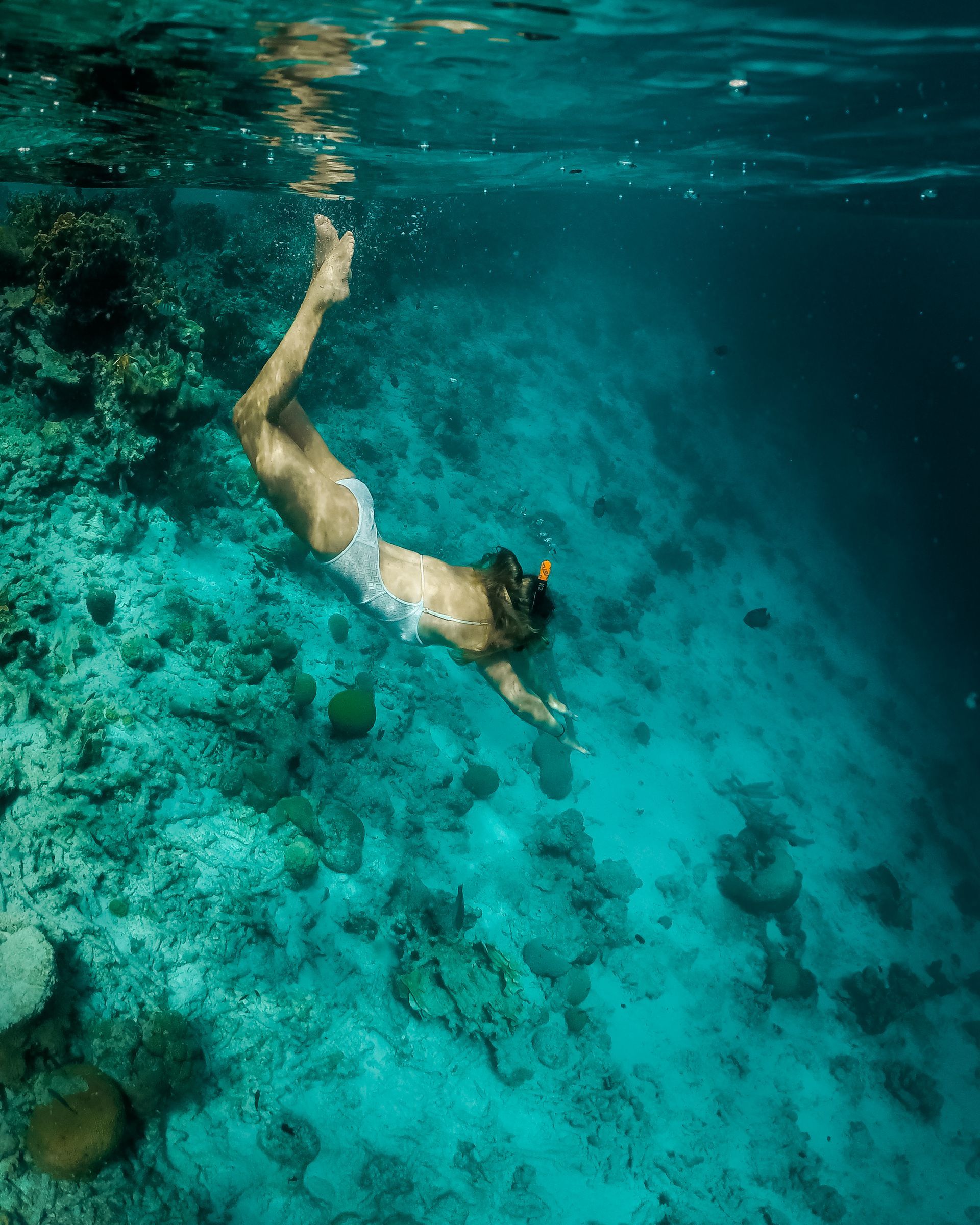
You do not need to be a certified diver to experience Klein Bonaire's extraordinary underwater world. Snorkelling from the main beach at No Name Beach puts you directly over a shallow reef that rivals most dive sites in the broader Caribbean. Here is what to expect:
- Depth at the entry point is 1 to 3 metres — safe and manageable for all levels
- Coral coverage begins within 5 to 10 metres of the shoreline
- Sea turtles feed on the shallow reef and are commonly spotted from the surface
- The water is exceptionally clear — visibility of 20 to 40 metres is the norm
- Bring your own mask and fins, or rent from any Bonaire dive shop before departure
Swimmers with no snorkel experience can still enjoy exceptional underwater views simply by floating face-down with a mask. The colour and density of the reef is remarkable even to the untrained eye.
No Name Beach: Klein Bonaire's Signature Spot
No Name Beach is the main visitor landing area on Klein Bonaire. It is a crescent of fine white sand pink-tinged in direct light edged by mangrove vegetation on one side and open Caribbean water on the other. The water here is shallow and extraordinarily clear, and on a calm day the colours are almost impossible to photograph fairly: turquoise, aquamarine, jade a Caribbean cliché that turns out to be completely accurate.
This is the place to spread out a towel, eat your packed lunch, and simply exist for a few hours. Klein Bonaire has no bars, no vendors, no sound systems, and no hotels. What it has is silence (plus the sound of water and birds), solitude (on quieter days), and a natural beauty that no development could improve.
Note: there is no shade structure on the beach. In peak sun hours (11am to 2pm), the heat can be intense. Plan your beach time around early morning or late afternoon, or bring an umbrella.
Wildlife on Klein Bonaire
The reef is the main attraction, but Klein Bonaire above the water line also rewards attention. The island is an important nesting site for several species of seabird, including frigatebirds, brown boobies, and various terns. Brown pelicans fish the shallows. Green and hawksbill turtles nest on the beaches between May and October if you visit during nesting season, take care not to disturb any marked nesting areas.
What to Bring to Klein Bonaire
Because there are no facilities on the island, preparation matters. Bring:
- Plenty of water — a minimum of 2 litres per person in peak season
- Packed lunch and snacks — there is nothing to buy on the island
- Sunscreen (reef-safe formulations only — chemical sunscreens damage coral and are discouraged in the marine park)
- Snorkel gear or dive equipment
- Beach shoes or sandals — the coral rock at the entry can be sharp
- A dry bag for phones, cameras, and valuables
- Cash for water taxi and Nature Fee if not yet purchased
Klein Bonaire from Palm Paradise Bonaire
Palm Paradise Bonaire is located on the west coast, within easy reach of the Town Pier and the dive operators who service Klein Bonaire. The team at Palm Paradise can assist you in coordinating your Klein Bonaire day — booking water taxis, connecting you with dive operators who run Klein trips, and ensuring you have everything you need for a seamless experience on the island.
Frequently Asked Questions
About Klein Bonaire
Can you stay overnight on Klein Bonaire?
No. Klein Bonaire is a protected nature reserve and overnight stays are not permitted. All visitors must return to Bonaire's main island before nightfall via water taxi or dive operator boat.
Is Klein Bonaire good for beginners?
Yes — the shallow reef at No Name Beach is ideal for beginner divers and snorkellers. The water is calm on the western side, entry is easy from the beach, and the shallow depth means excellent conditions for those new to diving or snorkelling.
How long should you spend on Klein Bonaire?
A half day — 2 - 4 hours — is ideal, allowing time for two to three dives or extended snorkelling, a beach lunch, and relaxed exploration.
Are there toilets on Klein Bonaire?
No. There are no toilet facilities on the island. Plan accordingly before boarding the water taxi.
Do I need my Bonaire Nature Fee to visit Klein Bonaire?
Yes. The Stinapa Nature Fee is required for all diving and snorkelling in Bonaire's marine park, which includes the waters around Klein Bonaire. Purchase your tag at any Bonaire dive shop 0r online: www.stinapabonaire.org before your visit
Conclusion
Klein Bonaire is one of those rare travel experiences that lives up to and often exceeds its reputation. The reef is genuinely outstanding, the beach is genuinely beautiful, and the absence of development gives it a quality that is increasingly rare in the Caribbean. Whether you come to dive, to snorkel, to photograph, or simply to spend a day on an island where nothing is asking for your attention or your money, Klein Bonaire delivers.
Stay at Palm Paradise Bonaire and experience Klein Bonaire the right way: well-rested, well-equipped, and with local knowledge behind you.
.

